Bacterial Replication Is Catalyzed by Which of the Following Enzymes
A substance that affect the rate of the reaction without being consumed Select one. Each enzyme has a specific function during replication.
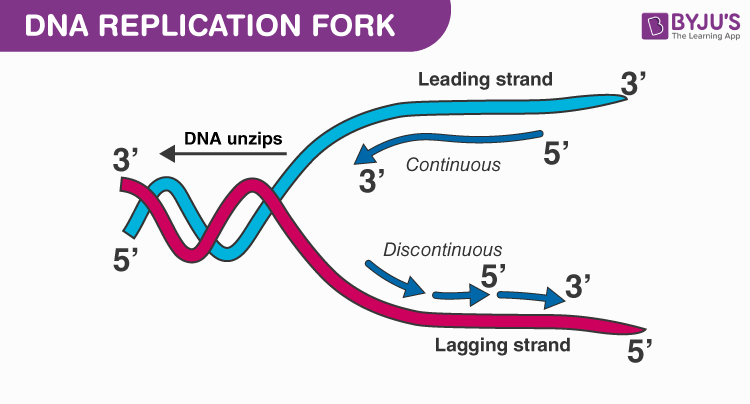
Dna Replication Process With Diagrams Class 12 Prokaryotic Eukaryotic Dna Replication
C Gram negative bacteria can concentrate β-lactamase enzymes in the periplasmic space.

. Fic-1 interacted with GyrB a subunit of DNA gyrase which is essential for bacterial DNA replication. Mutation of the Fic-1 auto-AMPylated site greatly reduced AMPylation activity toward itself and toward GyrB. Among them DNA-dependent DNA polymerase is the main enzyme.
A Gram negative bacteria have a thicker cell wall. The study of chemical reactions catalysed by enzymes is known as enzyme kinetics. Bacterial cells use a pathway called DNA replication restart to resume DNA replication following a disruptive encounter of the DNA replication enzymes with DNA damage.
A polymerase enzyme is required. The E1E2-independent ubiquitination catalyzed by these enzymes is energized by NAD which activates ubiquitin by the formation of ADP-ribosylated ubiquitin ADPR-Ub. Here we have six statements baby.
The first two reactions are catalyzed by enzymes A and B respectively. DNA exists as a double-stranded structure with both strands coiled together to form the characteristic double-helixEach single strand of DNA is a chain of four types of nucleotidesNucleotides in DNA contain a deoxyribose sugar a phosphate and a nucleobaseThe four types of nucleotide correspond to the four nucleobases adenine cytosine guanine and. D Gram negative bacteria produce smaller quantities of transpeptidase enzyme.
Fic-1 interacted with GyrB a subunit of DNA gyrase which is essential for bacterial DNA replication. DNA polymerases I is the only polymerase to have the 35 exonuclease activity which is the proof reading activity of DNA polymerase. DNA polymerase I B.
Starting compound Intermediate-a Intermediate-b End Product. Many enzymes are involved during this process such as DNA helicase DNA ligase DNA polymerase etc. A protein B enzyme C bacteria D metal atom Medium Solution Verified by Toppr Correct option is B The replication of DNA can catalyzed by an enzyme.
This enzyme converts ribonucleotides to deoxyribonucleotides the building blocks for DNA replication and repair. Prokaryotic replication is polymerized by the enzyme DNA polymerase III. During replication this enzyme periodically cuts the sugar-phosphate backbone of DNA in order to relieve torsional strain caused by rapid unwinding.
In the six statements AB. The rate of an enzyme-catalyzed reaction slows upon the addition of an inhibitor. The first step in the infection of a host bacterial cell by a phage is adsorption.
Deoxyribonucleoside triphosphates are the substrate as well as the energy provider for the replication process. Consider the following linear metabolic pathway of a bacterial cell. The replication of DNA can be catalyzed by.
The infection of a host bacterial cell cannot occur without adsorption. B The reaction always goes in the direction toward chemical equilibrium. All of the following are characteristics of bacterial RNA polymerases EXCEPT.
However the reaction rate. If a mutant cell arose that was unable to produce enzyme B what would be the impact on the other components of the pathway. A putative mono ADP-ribosyltransferase mART motif critical for the ubiquitination activity is also essential for the role of SidEs in intracellular bacterial replication in a protozoan host.
This process is catalyzed by an enzyme which possess 5-3 exonuclease activity and 5-3 polymerase activity. B Gram negative bacteria have an outer hydrophilic membrane that acts as an extra barrier. B helicases - enzymes that unwind the DNA helix ahead of the replication fork C primase - enzyme that synthesizes small fragments of RNA to serve as primers for DNA synthesis D DNA ligase - enzymes that join two DNA fragments by forming a covalent bond between the sugar and phosphate residues of adjacent nucleotides.
Clearly RNR enzymes have contributed to the appearance of genetic. DNA-dependent DNA polymerase It helps in the polymerisation catalyses and regularises the whole process of DNA replication with the support of other enzymes. This pathway is catalyzed by primosome proteins.
Fic-1 catalyzed the AMPylation of GyrB at Tyr 109 a residue critical for binding ATP and exhibited auto-AMPylation activity. This occurs in the nucleus of eukaryotic cells. Which of the following is the first step in replication by bacterial phages.
1A cDNA copy of the human gene is made that does not contain any introns because this will confuse the bacteria and create abnormal mRNA for the code of bacteria consists of one uninterrupted stand of DNA. Mutation of the Fic-1 auto-AMPylated site greatly reduced AMPylation activity toward itself and toward GyrB. Assembly and release Answer.
Transfer RNAs bind amino acids in the cytoplasm. A DNA polymerase I b DNA polymerase II c DNA polymerase III d DNA polymerase IV 21 In eukaryotes DNA polymerase alpha is a multi-subunit enzyme with different functions. DNA polymerase II C.
Which of the following choices properly matches the statements with the correct biological processes. Ribonucleotide reductase RNR is a key enzyme that mediates the synthesis of deoxyribonucleotides the DNA precursors for DNA synthesis in every living cell. Fic-1 catalyzed the AMPylation of GyrB at Tyr109 a residue critical for binding ATP and exhibited auto-AMPylation activity.
Welcome to Chapter six for the question seven. Below are three statements. During DNA replication in bacteria which of the following enzymes adds DNA nucleotides to the growing strand.
17 Which of the following statements is are true about enzyme-catalyzed reactions. 2The cDNA gene and a bacterial plasmid are both cut with the same restriction enzyme so they will have the same complementary sticky ends. 17 A The free energy change of the reaction is opposite from the reaction in the absence of the enzyme.
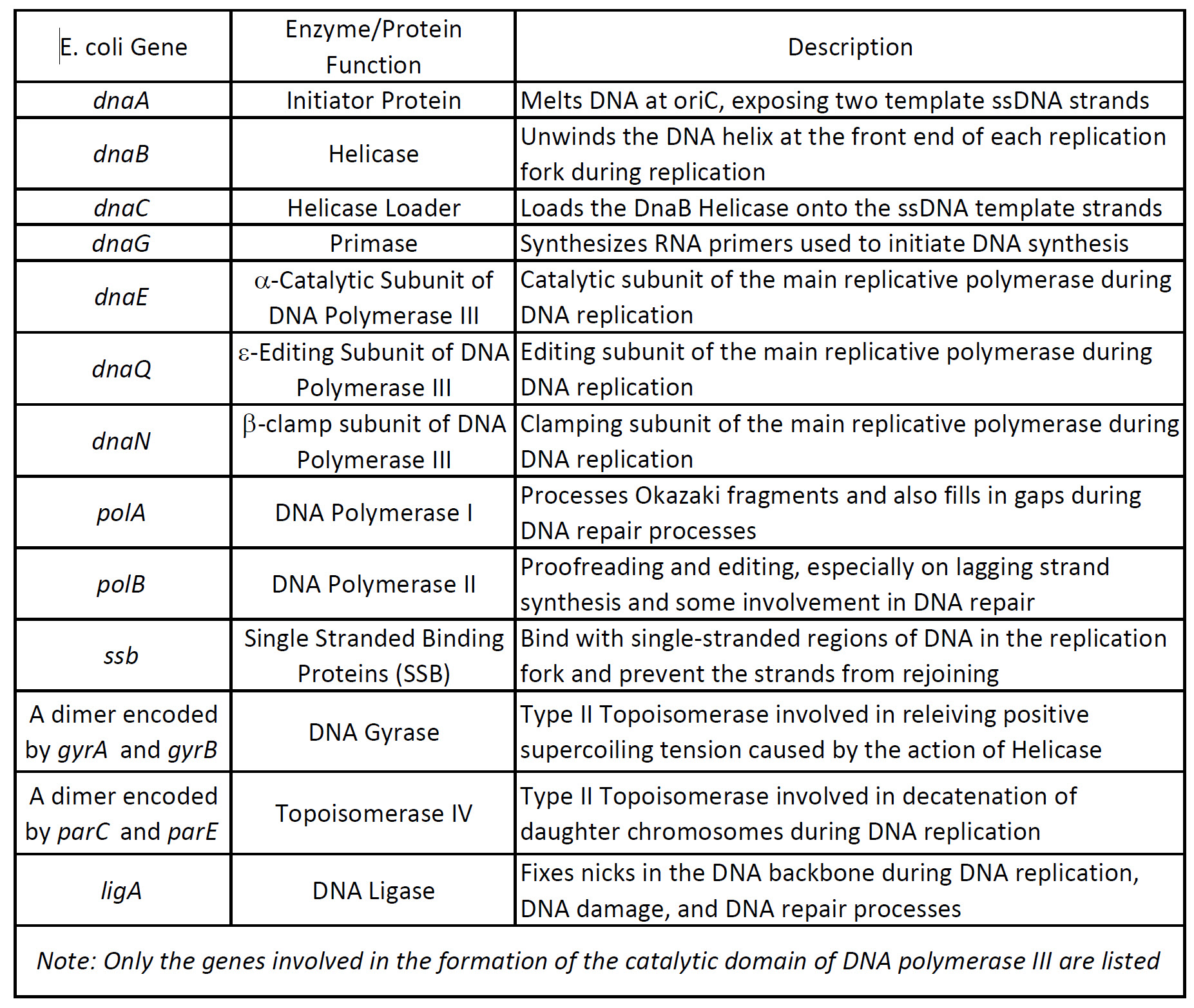
Chapter 9 Dna Replication Chemistry

Dna Replication Boundless Biology
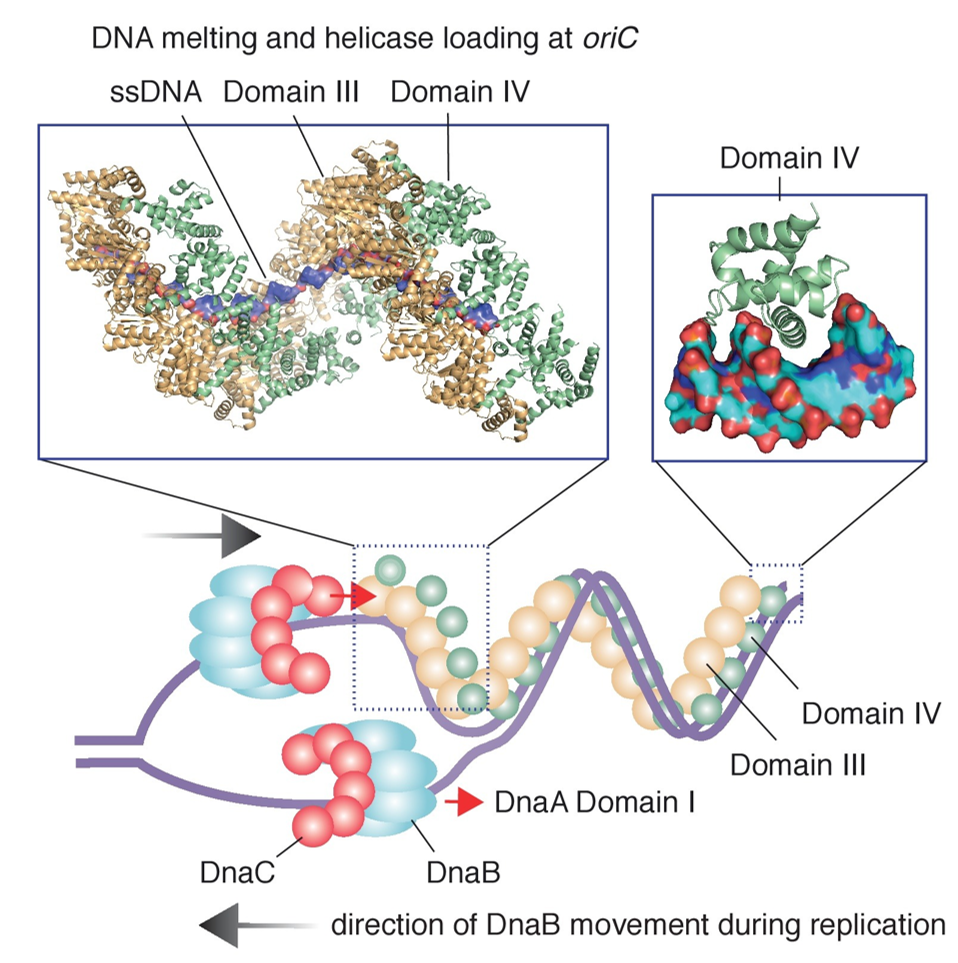
Chapter 9 Dna Replication Chemistry

Steps Of Dna Replication Dna Polymerase Dna Replication Science Notes
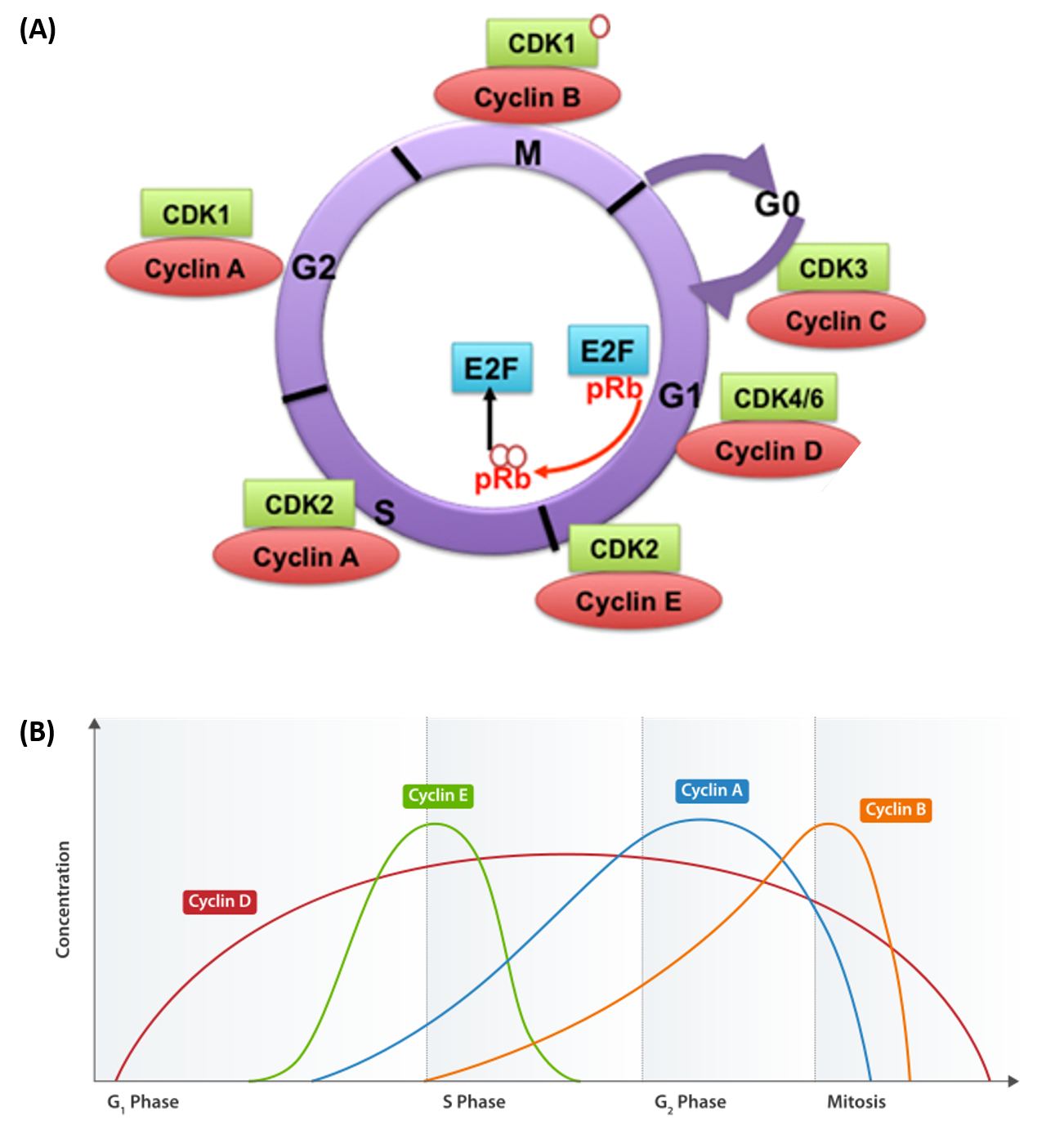
Chapter 9 Dna Replication Chemistry

Major Enzymes Biology For Majors I

Chapter 6 Dna Repair And Replication Flashcards Quizlet
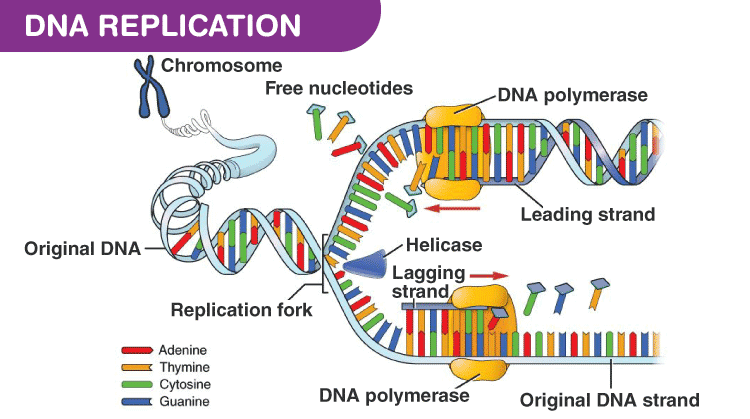
Dna Replication Process With Diagrams Class 12 Prokaryotic Eukaryotic Dna Replication
Dna Replication Wikiwand
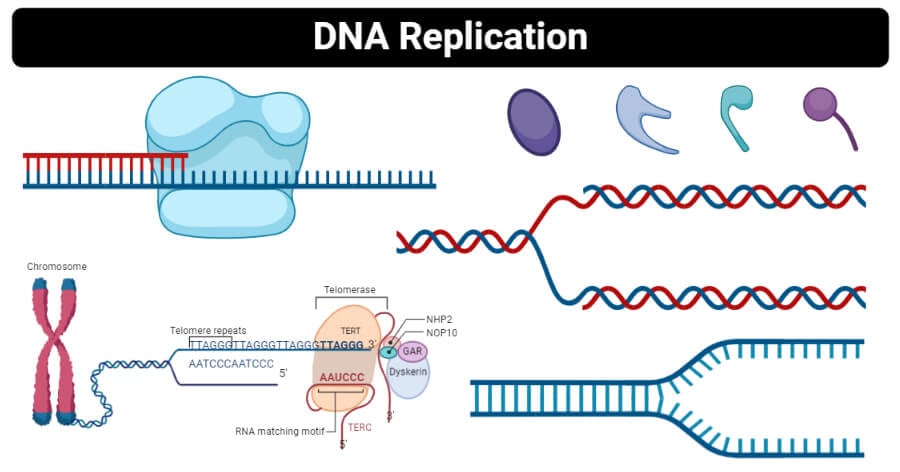
Dna Replication Definition Enzymes Steps Mechanism Diagram

Okazaki Fragment An Overview Sciencedirect Topics

Dna Replication Microbiology
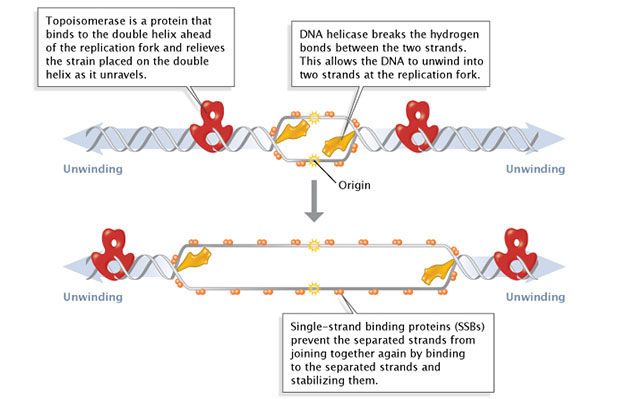
Molecular Events Of Dna Replication Learn Science At Scitable
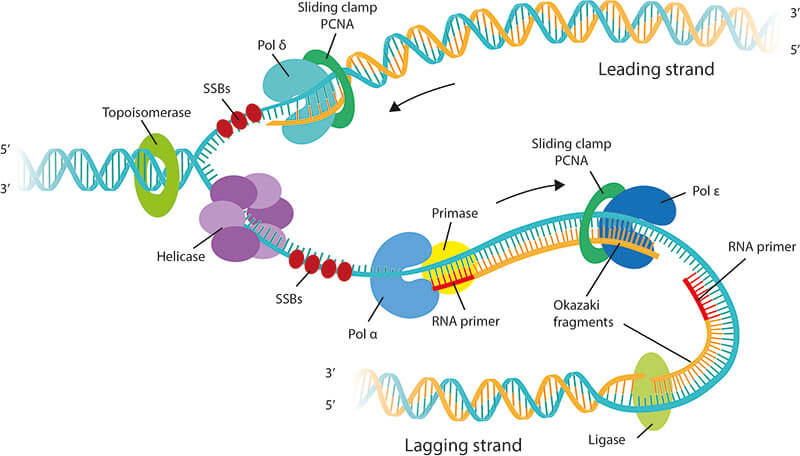
Dna Replication Definition Enzymes Steps Mechanism Diagram

Specific Enzymes Involved In Replication Dna Replication Mcat Content

Dna Replication 2 3 Elongation Youtube

Dna Replication Microbiology
Chapter 9 Dna Replication Chemistry

Chapter 9 Dna Replication Chemistry


Comments
Post a Comment